Discover South Korea
Use the map to explore the regions of South Korea, and start planning with our itinerary.
South Korea Quick Guide
- Currency: South Korean Won (â‚© KRW)
- Language: Korean (Hangul is the official script)
- Emergency Number: 112 (Police), 119 (Fire/Ambulance)
- Tipping: Tipping isn’t customary, but high-end restaurants or tourist areas may accept it
- Fun Facts #1: Wi-Fi is fast, free, and everywhere—even on subways!
- Fun Facts #2: South Korea is home to 12 UNESCO World Heritage Sites
- Fun Facts #3: Jeju Island is known as the ‘Hawaii of Korea’
Where to Stay in South Korea
From buzzing cities like Seoul and Busan to the tranquil countryside and islands, South Korea offers everything from sleek high-rise hotels to cozy hanok guesthouses. Whether you’re into nightlife, culture, or nature, there’s a perfect base for every type of traveler.
Start by planning out where you would like to visit and then search for accommodation in those areas. We use Booking.com for all our hotel stays, many hotels have pay later offers and you can build up your Genius level to get discounts on your stays.
How to Get Around South Korea
South Korea boasts one of the most efficient public transportation systems in the world. High-speed trains (KTX) connect major cities like Seoul, Busan, and Daegu, while subways and buses make it easy to get around urban areas. The T-money card streamlines fare payments across cities.
For exploring rural regions, mountainous areas, or national parks, a rental car can be helpful, especially on Jeju Island, where public transport is limited. Navigation apps like KakaoMap (in English) help when driving outside cities.
Must-Visit Places in South Korea
- Seoul – Explore palaces, night markets, and Korea’s dynamic capital energy.
- Busan – Visit the Gamcheon Culture Village, beaches, and seafood markets.
- Gyeongju – The ancient Silla capital filled with tombs, temples, and heritage sites.
- Jeju Island – A volcanic island escape with beaches, waterfalls, and hiking trails.
Don’t waste time hunting for SIM cards or stressing about roaming. With an eSIM, you can get connected as soon as you land and stay online wherever your adventures take you.
🔗 Check out our guide to the cheapest eSIMs for international travel.
Korean Food to Try by Region
Korean cuisine is bold, balanced, and deeply regional. Here’s a taste of what to try:

- Kimchi – Nationwide: Fermented vegetables with chili and garlic, a staple side dish at every meal.
- Bibimbap – Jeonju: A rice bowl with vegetables, meat, egg, and gochujang; Jeonju is its birthplace.
- Samgyeopsal – Seoul: DIY grilled pork belly, typically enjoyed in social BBQ settings.
- Haemul Pajeon – Busan: A savory seafood and green onion pancake, perfect on a rainy day.
- Black Pork BBQ – Jeju Island: Tender grilled pork from Jeju’s native black pigs, a regional delicacy.
Top 5 Things To Bring On Every Trip
- Travel Insurance: Protect yourself against unforeseen events like trip cancellations, medical emergencies, or lost luggage.
- Power Bank: Keep your devices charged on the go, ensuring you stay connected and capture every moment.
- Universal Travel Adapter: A must-have for international travelers to plug in and power up devices in different countries.
- Reusable Water Bottle: Stay hydrated while reducing plastic waste; many destinations have refill stations available.
- Packing Cubes: Organize your luggage efficiently, making it easier to find items and maximize space.
Top Day Tours to Discover South Korea
- DMZ, 3rd Tunnel, and Suspension Bridge: Visiting offers a powerful glimpse into Korea’s complex history and ongoing division. Explore the Demilitarized Zone separating North and South Korea, walk through the 3rd Infiltration Tunnel once built for a surprise attack, and take in sweeping views from the dramatic Dora Observatory and Suspension Bridge, which symbolize both tension and hope.
- Gyeongju Three Kingdoms: The area is a captivating journey into Korea’s ancient past, where you can explore royal tombs, temples, and historical relics from the Silla Dynasty. Known as ‘the museum without walls’, Gyeongju is rich in cultural treasures and showcases the legacy of one of Korea’s most powerful ancient kingdoms.
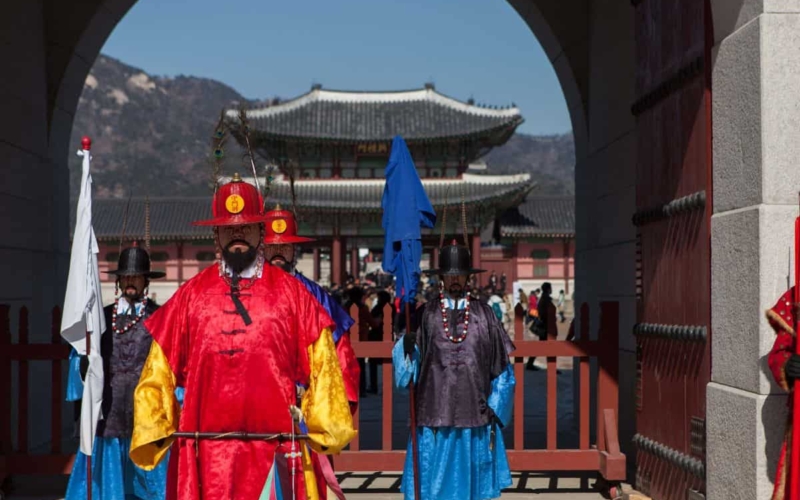
- Gyeongbok Palace, Bukchon Village, and Gwangjang: Explore the heart of traditional and modern Seoul with a visit to Gyeongbok Palace, the city’s grandest royal palace, stroll through Bukchon Hanok Village to see centuries-old Korean houses still in use today, and dive into local flavors at Gwangjang Market, one of the oldest and most beloved food markets in South Korea.